European Erasmus+ partnership completes cross-country research, identifies 12 good practices and advances practical resources for young people and youth workers.
One year after its launch, AntiGyp, the Erasmus+ project “Gamification to Combat Discrimination towards Roma”, is turning evidence gathered across six European countries into practical educational resources. From October 2025 to October 2026, the partnership has completed a major research phase, developed guidance to address online and offline antigypsyism, and progressed towards an interactive training manual and board game. The project runs until September 2027 and brings together partners from Germany, Belgium, Cyprus, Greece, North Macedonia and Spain.
Research informed by young people and youth professionals
The first-year research recorded 96 questionnaire responses and participation by 60 people in focus groups and interviews across the partner countries. Together, these represent 156 recorded research participations, rather than necessarily 156 distinct individuals. The consortium also identified 12 good practices and produced six national mapping reports and one transnational report. This work brings together perspectives from different national contexts to inform more relevant and inclusive approaches to youth education.
The findings underpin the project’s Guidelines to Combat Online and Offline Antigypsyism, which have been developed to help young people and youth workers recognise harmful stereotypes, understand discrimination in everyday and digital settings, and explore constructive responses. At the October 2026 consortium meeting, partners confirmed completion of the research and guidelines, while identifying remaining piloting documentation and publication steps.
From evidence to engaging educational tools
AntiGyp is now translating its research into participatory learning. Partners are finalising a Gamification-based Training Manual and an educational board game featuring both general and country-specific cards. The cards address topics such as Roma history and culture, rights, media representation, identity and everyday discrimination, encouraging discussion and critical reflection rather than passive learning. These WP3 resources remain in development and are scheduled for piloting with youth workers and Roma and non-Roma young people during the next project phase.
European cooperation sets the direction for year two
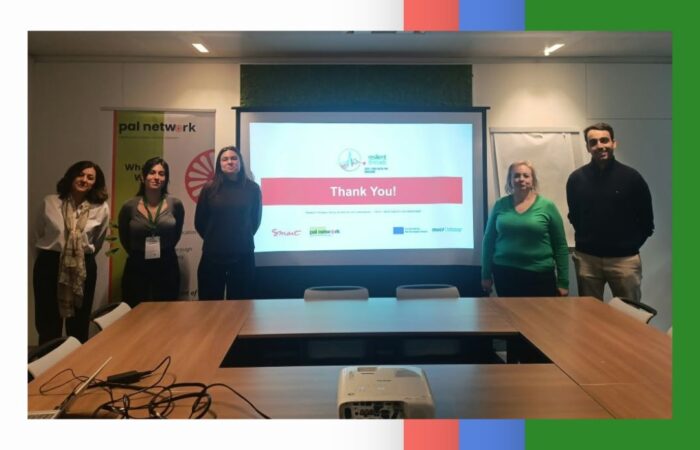
The partnership began with a kick-off meeting in Wuppertal, Germany, and reconvened for its second Transnational Project Meeting in Cyprus on 22 & 23 October 2026. There, partners reviewed completed research, the status of the guidelines, the manual and game cards, and the next stages of piloting. They also coordinated plans for a multilingual awareness campaign, professional and youth engagement activities, and publication of project resources. The meeting established practical priorities and deadlines for the coming months.
What comes next
The next phase will focus on finalising and testing the gamification resources, followed by awareness-raising and community engagement activities across the six countries. Plans include Roma role-model videos, an animated awareness video, professional and youth hubs, and national multiplier events intended to reach at least 30 stakeholders in each country. These are forthcoming activities and targets, not results already achieved.
Through this work, AntiGyp aims to equip youth professionals and young people with accessible tools to question prejudice, encourage dialogue and promote Roma inclusion.